The Power of Your Breath: How Conscious Breathing Can Change the Way You Feel
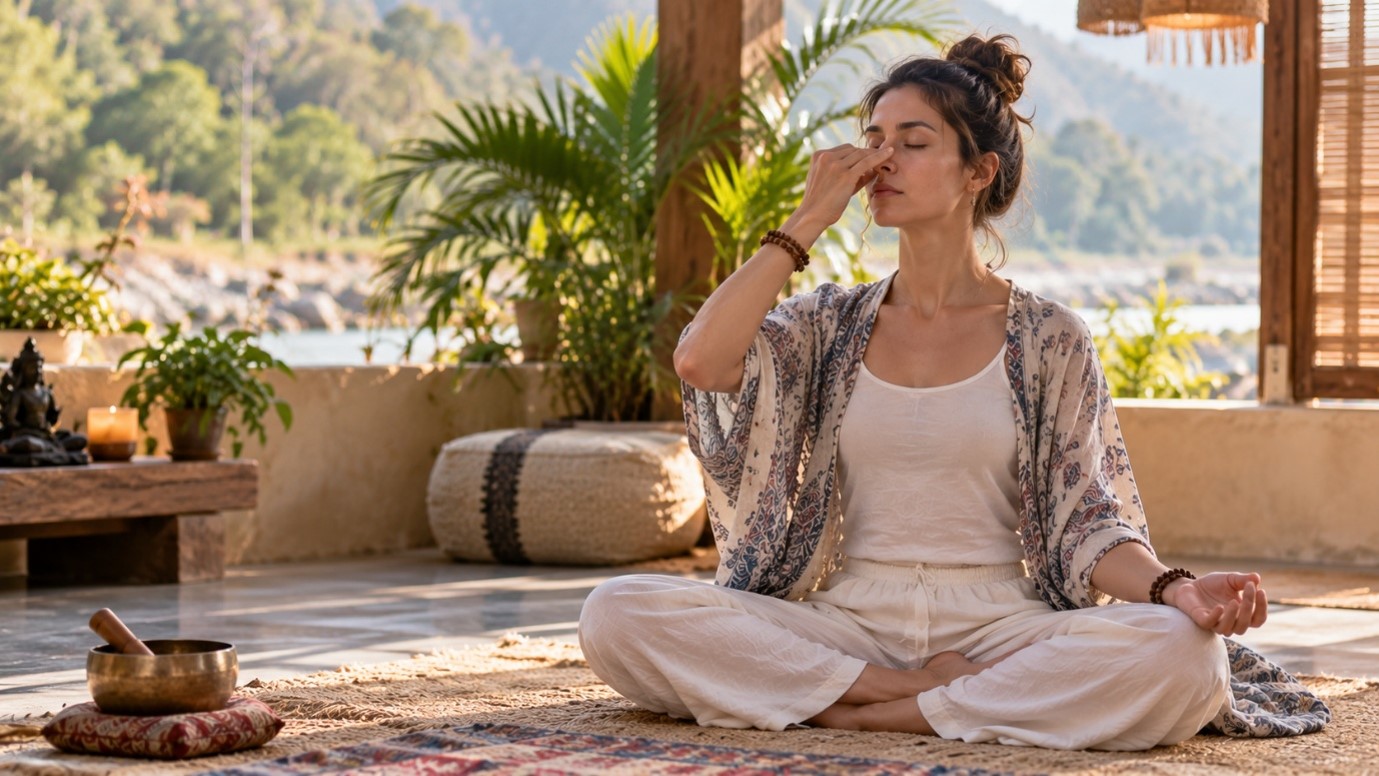
You breathe every day. You breathe when you wake up, while you work, walk, exercise, speak and sleep. Most of the time, you do not even think about it. Yet the moment something changes, you suddenly become aware of your breath.
When you are stressed, your breathing may become faster or shallower. When you are nervous, you may find yourself holding your breath without realising it. When you are relaxed, your breathing often becomes slower, quieter and more effortless.
The breath is constantly responding to what is happening within us. But the relationship also works in the other direction. When we consciously change the way we breathe, we can influence how we experience our body and mind.
This simple relationship between breath, body and mind is what makes breathwork such an interesting practice.
Table of Contents
Why Is the Breath So Important?
Breathing is one of the few processes in the body that happens automatically but can also be consciously influenced. You do not have to remind yourself to breathe, yet you can choose to slow your breathing, change its rhythm or bring your attention to the movement of the breath.
This makes breathing quite unique. It sits between what happens automatically in the body and what we can consciously influence.
Your breathing also changes according to your state. Think about what happens when you are frightened or under pressure. Your heart may beat faster, your muscles may become tense and your breathing may change without you deliberately doing anything.
Now think about how you breathe when you are sitting quietly or sleeping. The breath is usually less effortful and more settled.
This relationship between breathing and our state of being is one reason breathwork has become an important part of both modern wellbeing practices and traditional yogic practices.
What Is Conscious Breathing?
Conscious breathing simply means becoming aware of your breath.
You do not necessarily have to change it. You can begin by observing how you are breathing at this moment. Is your breath fast or slow? Is it comfortable or strained? Are you breathing mainly through your nose or mouth? Do you notice tension around your chest, shoulders, abdomen or face?
These may seem like simple observations, but they can tell you a great deal about your present state.
This is also where I usually encourage people to begin. Before trying to control the breath, learn to notice it. Breath awareness is already a practice.
What Is Breathwork?
Breathwork is a broad term used for practices in which breathing is intentionally observed, regulated or changed.
There are many different approaches. Some techniques involve slow breathing, while others use particular ratios between inhalation and exhalation. Some include breath retention, while others use faster or more continuous breathing.
Because of this, breathwork should not be thought of as one single technique. Different methods can produce very different experiences, and the appropriate practice depends on the person, the intention and the way the technique is taught.
A breathing practice for relaxation may look very different from a practice intended to develop concentration, prepare the body for meditation or create a more activating experience.
Breathwork and Pranayama: Are They the Same?
The words breathwork and Pranayama are sometimes used interchangeably, but they are not exactly the same.
Breathwork is a broad modern term that can include many different systems of conscious breathing. Pranayama comes from the yogic tradition and has a much longer philosophical and practical history.
The word is traditionally understood in relation to prana, often described as vital energy or life force, and ayama, which can refer to extension, expansion or regulation. Classical Pranayama is not simply about taking deeper breaths. It can involve specific methods of inhalation, exhalation, retention and attention, and it forms part of a larger yogic path.
This distinction is important. Modern breathwork can be inspired by yoga, but not every breathing exercise is Pranayama.
The Connection Between Breath, Mind and Body
Your breath does not exist separately from the rest of you. When your emotional state changes, your breathing can change. At the same time, changing your breathing can influence your physical and psychological experience.
This relationship has also become an area of scientific research. Studies of slow breathing have found changes in measures related to autonomic and cardiovascular regulation, as well as psychological effects such as relaxation and changes in arousal.
This does not mean that every breathing technique will have the same effect. It also does not mean that breathwork is a treatment for every emotional or physical problem.
It means that breathing is one of the pathways through which we can influence our experience of the body and mind.
What Happens to Your Breathing When You Are Stressed?
Stress can change the way we breathe. You may begin breathing more quickly, breathing more from the upper chest, or holding your breath during moments of tension and concentration.
Sometimes we do not even notice these changes.
This can become a cycle. You feel stressed, your breathing changes, you notice uncomfortable physical sensations, and those sensations may make you feel even more unsettled.
Learning to recognise this pattern can be useful. Instead of immediately trying to force yourself to relax, you can first notice what your breathing is doing.
Once you become aware of the pattern, you have more choice about how you respond.
Can Conscious Breathing Help You Feel More Relaxed?
Research suggests that some forms of breathwork can support stress reduction. A 2023 meta-analysis of randomised controlled trials found that breathwork was associated with lower self-reported stress compared with control conditions. The researchers also noted limitations in the available evidence and the need for better-quality studies.
This is an important distinction when talking about the benefits of breathwork. We can say that research suggests potential benefits, but we should not present breathwork as a guaranteed treatment for stress, anxiety or depression.
Different people respond differently, and different breathing techniques can produce different physiological and psychological experiences.
For this reason, I believe breathwork should be approached with curiosity rather than with promises of a particular result.
Why Does Slow Breathing Feel Different?
Slow breathing is commonly used in both contemporary breathwork and yogic practices.
Research on slow breathing has found effects involving cardiovascular and autonomic regulation, including changes in measures such as heart rate variability and respiratory sinus arrhythmia.
But slow breathing does not mean taking the biggest breath possible.
This is something I often emphasise when teaching. Many people hear the instruction “take a deep breath” and immediately try to fill the lungs as much as possible. They may lift their shoulders, tighten their chest and use far more effort than necessary.
More air does not automatically mean better breathing.
Sometimes conscious breathing is about doing less. Slowing down, reducing unnecessary effort and allowing the breath to move comfortably can be much more useful than trying to make every breath bigger.
Not All Breathwork Is the Same
One of the most important things to understand about breathwork is that different techniques are not interchangeable.
A slow breathing practice and a rapid breathing practice can create very different experiences. A technique that includes breath retention is also different from simply observing the natural breath.
Some practices may be calming. Others may feel more activating. Some are designed primarily for concentration or meditation, while others are used within specific therapeutic or spiritual frameworks.
Research into Pranayama also suggests that different breathing techniques can produce different cardiovascular and autonomic responses. The mechanisms behind these effects are still being studied.
This is why I do not believe in recommending one breathing technique to everyone. The practice should match the person, the intention and the context.
Breathwork and Emotional Awareness
Sometimes an emotion appears in the body before we have words for it.
You may notice tightness in the chest when you feel anxious. You may hold your breath when something makes you uncomfortable. You may notice your breathing change when you are angry, excited or afraid.
These physical changes can become useful points of awareness.
Breathwork does not have to be about forcing emotions to come out. It can simply create enough space for you to notice what is already happening.
This is particularly important when working with emotional practices. A strong emotional reaction is not necessarily a sign that a practice is working better.
Sometimes the deeper practice is learning to stay present with a subtle experience without becoming overwhelmed by it.
Breathwork and Meditation
The breath has been used as an object of meditation for centuries.
You do not necessarily need a complicated visualisation or technique. You can simply observe the natural movement of breathing.
Notice the inhalation.
Notice the exhalation.
Notice the sensations created by the breath.
When the mind wanders, return to the breath.
This process may seem very simple, but that simplicity is part of its value. The breath becomes an anchor that gives the mind somewhere to return.
Over time, you may begin to notice not only your breathing but also your thoughts, emotions and reactions.
The breath becomes a bridge between awareness of the body and awareness of the mind.
The Yogic Understanding of Breath and Prana
In yoga, the breath is closely connected with the concept of prana.
Prana is often described as vital energy or life force. This is different from the modern physiological understanding of respiration.
From a biological perspective, breathing is a physiological process through which the body takes in oxygen and removes carbon dioxide. From the yogic perspective, Prana is understood as a much broader principle of vital energy.
These are two different frameworks, and I believe it is important not to confuse them.
We can appreciate the traditional understanding of Prana while also recognising what modern physiology can and cannot explain.
For me, this is one of the most beautiful aspects of working with the breath. It can be approached as a physical process, a meditation practice and, within yoga, as a doorway into deeper exploration of Prana and consciousness.
How I Approach Breathwork
In my own work, I do not see breathwork as simply making the breath deeper, faster or stronger.
The first question is always, what does this person need right now?
Sometimes a person needs grounding. Sometimes they need to slow down. Sometimes they need greater awareness of the body. Sometimes they need to develop concentration or prepare themselves for meditation.
And sometimes they are ready to explore a more active practice.
I also encourage people to recognise the difference between effort and awareness. If you are forcing the breath, you may be creating unnecessary tension. When you become more aware of the breath, you begin to notice smaller changes that can easily be missed.
The breath can become a teacher.
It shows you when you are rushing.
It shows you when you are holding on.
And sometimes it shows you how difficult it is to simply let go.
A Simple Conscious Breathing Practice
You can begin with a very simple practice.
Sit comfortably and allow your shoulders, face and abdomen to soften. Close your eyes if that feels comfortable and spend a few moments simply observing your natural breathing.
Notice the inhalation and the exhalation without trying to change them.
After a few breaths, you can gently allow the exhalation to become slightly longer than the inhalation, as long as this remains comfortable. For example, you might breathe in gently for four counts and breathe out for five or six counts.
There is no need to take unusually deep breaths and no need to hold your breath.
Continue for a few minutes and observe how you feel.
If you become dizzy, uncomfortable or anxious, stop the exercise and return to your normal breathing.
The purpose of a beginner practice is awareness, not intensity.
When Should Breathwork Be Practised With Guidance?
Breathwork is often presented as something very simple, but some techniques can be physically and psychologically demanding.
Strong breath retention, rapid breathing and prolonged practices should not be approached casually. Certain health conditions may also require individual advice before practising particular breathing techniques.
If a breathing practice causes significant dizziness, faintness, chest discomfort, severe breathlessness, panic or other concerning symptoms, stop the practice and seek appropriate professional advice.
More intensity does not necessarily mean more benefit.
Good breathwork also includes knowing when to slow down, when to stop and when to ask for guidance.
Final Thoughts
Your breath is always with you.
You do not need special equipment to work with it, and you do not need to become an experienced meditator before you begin.
You can start by noticing one breath.
Then another.
As you pay closer attention, you may begin to recognise the relationship between your breathing, your body, your emotions and your state of mind.
For me, this is where breathwork becomes much more than a collection of breathing exercises. It becomes a practice of awareness.
In yoga, we speak about Prana. In modern physiology, we can study respiration, autonomic activity and the effects of different breathing patterns. These are different ways of understanding the human experience, and there is value in respecting the distinction between them.
Perhaps the most important lesson is also the simplest.
You are breathing right now.
The question is whether you have noticed.
Frequently Asked Questions
What is breathwork?
Breathwork is a broad term used for practices that intentionally observe, regulate or change breathing patterns. Different approaches may involve slow breathing, specific rhythms, breath retention or more active breathing techniques.
What is the difference between breathwork and Pranayama?
Breathwork is a broad modern category that includes many different approaches. Pranayama comes from the yogic tradition and has its own philosophical background, methods and place within the wider practice of yoga.
Can breathwork help with stress?
Research suggests that some forms of breathwork may help reduce self-reported stress. However, results vary between techniques and studies, and breathwork should not be presented as a guaranteed treatment for a medical or psychological condition.
Is deeper breathing always better?
No. Taking excessively large breaths can sometimes create discomfort or light-headedness. Conscious breathing is not necessarily about breathing more. It can be about breathing with greater awareness and less unnecessary effort.
Can breathwork help with meditation?
Yes. Breath awareness has long been used as a meditation practice. It provides a simple object of attention and can help you notice changes in your physical and mental state.
How long should I practise breathwork?
There is no single duration that is right for everyone. Beginners can start with a few minutes of comfortable breathing and gradually develop their practice with appropriate guidance.